How to Host a Free Workshop That Sells Your Offer
A quick note: the Business Growth Lab is my company's coaching program. When I mention it below, I am recommending my own program.
Fifty people signed up for your free workshop. Nine showed up. You taught your heart out.
And then you got to the offer, your voice got shaky, you rushed it, and nobody bought.
Workshops are one of the best ways for coaches to sell, because people get to experience how you teach before they buy. But a free workshop that sells is built differently from one that only teaches.
Here is how to plan, fill and run one, step by step.
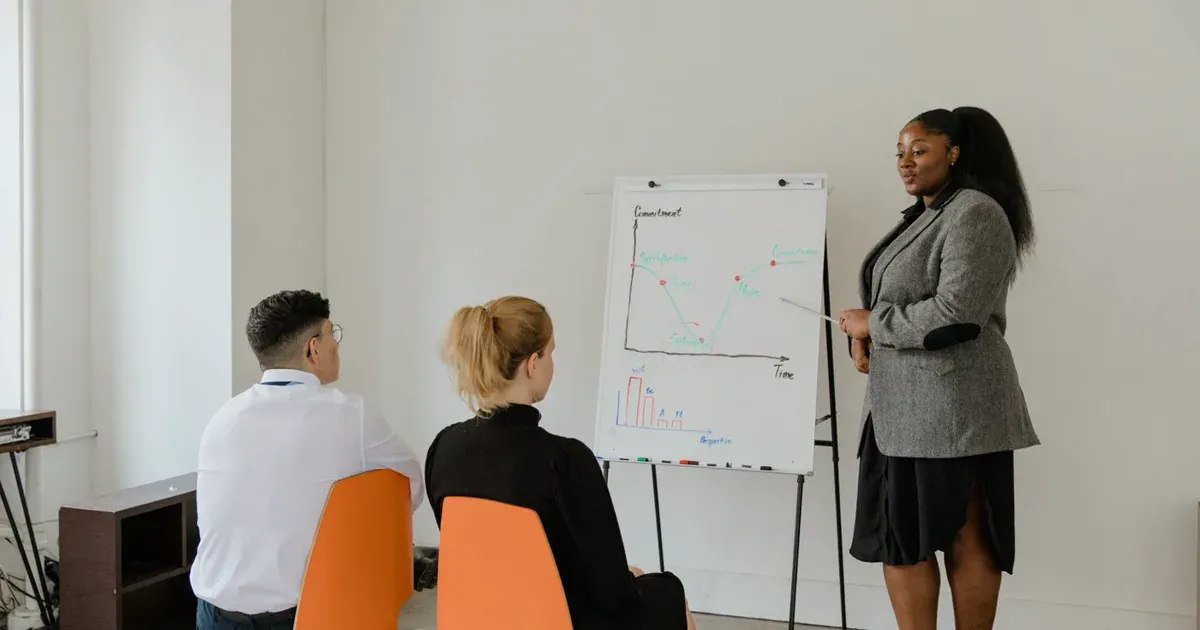
A free workshop that sells teaches one clear idea that shifts how attendees see their problem, shows proof that change is possible, and leads naturally into an invitation to your paid offer. Pick a narrow topic, send reminders so people show up, teach for about forty minutes, make your offer confidently and follow up with everyone after.
Why workshops work so well for coaches
A workshop lets people spend an hour with you. They hear how you think, ask questions and see that you understand them. That builds trust faster than months of posts.
It also lets you invite many people at once instead of one sales call at a time.
What you need before you start
- A paid offer the workshop leads into
- A registration page and reminder emails or texts
- A simple slide deck or outline
- Practice and feedback on your pitch, like the role-plays in the Business Growth Lab
How to host a free workshop that sells in 6 steps
- Pick a narrow topic
- Promote and remind
- Open strong
- Teach one big idea
- Make the invitation
- Follow up
1. Pick a narrow topic
Choose a topic that is the first step toward what your offer delivers. "Three ways to fill your calendar without ads" works better than "Grow your business."
2. Promote and remind
Promote for one to two weeks. Then send reminders: the day before, the morning of, one hour before and when you go live. Reminders are what get people to show up.
3. Open strong
Welcome people, say what they will learn and share a short story about why this matters to you. Ask them to type where they are joining from to warm up the room.
Nervous about the pitch? Bring your outline to the Business Growth Lab and practice it live before your workshop.
4. Teach one big idea
Teach the "what" and the "why" generously. Give real value. Show one or two examples. The goal is to shift how they see their problem, not to teach every step.
5. Make the invitation
Transition naturally. "If you want help putting this into action, here is how we can work together." Explain the offer, who it is for, the price and how to join. Then stay for questions.
6. Follow up
Send the replay, a reminder of the offer and a deadline over the next few days. Many people buy after the workshop, not during.
The trap: teaching for the full hour and leaving two minutes for the offer. Plan the invitation as part of the workshop, not an awkward add-on.
A simple 60 minute workshop outline
| Minutes | Section |
|---|---|
| 0 to 5 | Welcome, agenda and warm up |
| 5 to 10 | Your story and why this matters |
| 10 to 40 | Teach one big idea with examples |
| 40 to 50 | Invitation to your offer |
| 50 to 60 | Questions and next steps |
What this looks like for a money coach
Here is an example of a workshop plan. It is an illustration, not a client result.
- Topic: "The 3 money conversations every couple avoids, and how to start them"
- Promotion runs for ten days with reminders by email and text
- She teaches the three conversations with real examples for thirty minutes
- She invites attendees to her six week couples program, explains the price and answers questions
- Over three days, attendees get the replay, a recap of the offer and a final reminder
The workshop teaches generously and leads naturally to the program. If you want help planning yours, the Business Growth Lab covers workshops and pitches on our live calls.
How to get more people to show up
Send reminders by both email and text. Tell people what they will walk away with in every reminder. Offer a small bonus for attending live, like a worksheet or Q and A time. Hold the workshop at a time that suits your audience, and keep it under an hour.
Ask people when they register what they most want to learn. Mention a few of those answers during the workshop so attendees feel heard.
Common workshop mistakes
- Too broad a topic. Narrow it to one first step.
- No reminders. Remind several times before you go live.
- Rushing the offer. Give it ten real minutes.
- No follow-up. Send the replay and offer reminders.
Frequently asked questions
How long should a free workshop be?
Most free workshops work well at 45 to 60 minutes. That is long enough to teach one valuable idea, share your offer and answer questions. Longer sessions often lose attention before the invitation. If you have more to teach, save it for your paid program where people can implement it properly.
How do I pitch at the end of a workshop?
Transition naturally from the teaching. Explain that if they want help applying what they learned, you have a program for that. Share who it is for, what is included, the price and how to join. Speak confidently, stay for questions and follow up afterward with a clear deadline.
How do I get people to attend my workshop?
Promote it for one to two weeks with a specific, useful topic. Send reminders by email and text the day before, the morning of and right before you start. Mention what they will walk away with each time. Offering a small bonus for attending live also helps attendance.
Where can I practice my workshop pitch?
Practice with peers, record yourself and get feedback from experienced sellers. The Business Growth Lab is $97 a month with weekly live calls where members role-play pitches and get hot seat feedback on offers. A few rounds of practice make the invitation feel natural instead of awkward.
Should my workshop be live or recorded?
Live workshops usually convert better because attendees can ask questions and feel the energy of the room. Recorded workshops are easier to repeat. Many coaches run live workshops until the message is proven, then offer a recorded version that runs automatically alongside occasional live sessions.
Ready to sell with workshops?
You now have the topic, the outline, the invitation and the follow-up. Practice is what makes it feel easy.
The Business Growth Lab gives you weekly live calls with me for workshops, hot seats and sales practice, for $97 a month.
Cancel anytime. Want registration pages and text reminders? She Has Clients has a $1 trial.
About Starr Codd
Starr Codd built Baby Doll Luxury Hair into a seven figure brand and founded She Has Clients, the all-in-one platform for women who mean business. She coaches entrepreneurs on marketing, systems and sales through the Business Growth Lab. More about Starr.